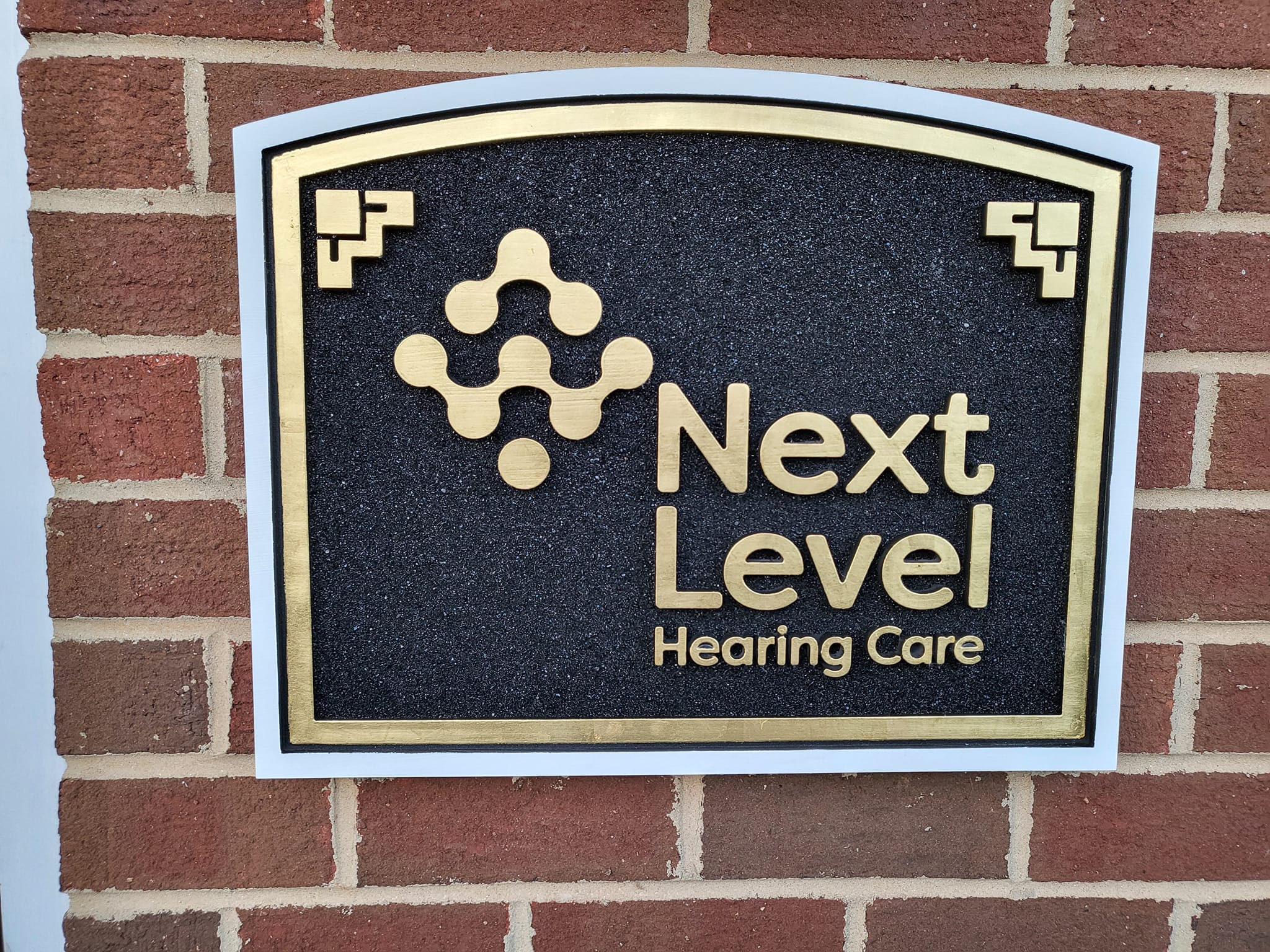
Midlothian Storefront Signs: Navigating Shopping Center and HOA Sign Regulations

Opening a shop in Midlothian is exciting, but your storefront sign has to pass more than the eye test. It needs to meet shopping center rules, any HOA design standards, and local permitting so it can be installed without delays. This guide explains how Midlothian storefront signs can check every box while still standing out to customers.
If you are comparing shopping center sign rules that Midlothian property managers use, expect a manual that outlines letter height, approved colors, lighting, and how the sign mounts to the wall. For help translating those standards into a clean, readable design, browse our business signs to see common formats and finishes that reviewers accept.
Why Sign Rules Exist In Midlothian Shopping Centers
Rules are not there to make life hard. They keep a center looking coordinated, protect property values, and help visitors find stores faster. A center like Westchester Commons wants a unified look across dozens of façades so the property feels well cared for and safe.
Rules also reduce maintenance problems. Limiting certain materials or lighting methods can prevent stains on brick, water intrusion at anchor points, or glare into nearby homes. When you plan with this in mind, your sign looks better for longer, and your approvals move faster.
Who Approves What: Landlord, HOA, County, And Road Authority
Most Midlothian storefront signs need three layers of review. First is the landlord or the shopping center's Architectural Review Committee. Second is any HOA or property association if your space is within a mixed-use area or near residential streets. Third is the local government permit, typically handled at the county level for addresses in and around Midlothian.
Shops along the Route 60 corridor often face one extra checkpoint if a sign or its support touches the public right of way, such as a freestanding monument near the curb. State-maintained roads like Route 60 may have separate restrictions; confirm before you fabricate or schedule installation. Your installer should help you determine where the right-of-way begins and which forms are needed.
Local tip: our hot, sunny summers and pop-up thunderstorms can be tough on finishes. Choose UV-stable coatings and sealed edges so your letters keep their color. If your center or HOA meets monthly, submit early in the cycle to avoid pushing your opening date.
A Practical Roadmap From Idea To Installed Sign
Here is a straightforward path many Midlothian businesses follow. Timelines vary, but the sequence below prevents the most common do-overs.
- Start with your lease and the center’s sign criteria manual. This document controls size, placement, lighting type, and approved materials. Get a copy from your property manager.
- Request a simple concept proof. A scaled elevation showing your storefront with proposed letter height, overall width, and colors helps the landlord react quickly.
- Confirm zoning and permit needs with the local permitting office. Requirements can differ if your sign is illuminated, projects from the wall, or sits within a shared monument.
- Collect landlord approval in writing. Many centers require you to attach the approval letter to your permit application package.
- Prepare a submittal set. Typical packets include scaled drawings, attachment details, night and day views for illuminated signs, and a site sketch showing distance from the right-of-way.
- Apply for permits. Electrical scope often needs a licensed contractor to be listed. Structural drawings may need an engineering stamp if the sign is large or mounted to unique substrates.
- Fabricate only after approvals. This avoids costly changes if reviewers ask for a material or color adjustment.
- Schedule installation and final inspection. Keep access clear for lifts, protect pedestrian areas, and plan for any required inspections after hookup.
Following this order keeps stakeholders aligned. Always read the sign criteria before you design. It sets the boundaries your reviewer will use, which saves time and revisions.
Design Choices That Pass Reviews And Get Noticed
Premium materials do double duty in Midlothian: they satisfy aesthetics in curated centers and hold up through humid summers and cold snaps. Dimensional 3D lettering in aluminum or high-density urethane offers crisp edges and depth that reviewers prefer over flat vinyl panels. Routed panels with carved borders and gold leaf detailing pair well with brick façades and colonial-style trims seen around Westchester Commons and nearby corridors.
Lighting matters for evening traffic and safety. Gooseneck fixtures cast warm, even light over a carved or gilded panel. For channel letters, consider halo-lit options to reduce glare into upper-floor residences while keeping visibility. When your lease calls for an opaque raceway or a specific trim cap color, match those specs exactly.
Lettering should be simple and high-contrast. A strong background color behind gold leaf or white acrylic letters is easy to read from moving cars along Route 60. Keep taglines and slogans off the main sign if space is tight. Use window graphics for secondary details so your primary ID stays bold and legible.
Materials And Finishes Reviewers Often Approve
High-quality substrates and coatings help your sign look new for years with minimal upkeep. Consider the options below for outdoor commercial signs that need both style and staying power.
- Aluminum letters or panels with a powder-coated finish for corrosion resistance and solid color uniformity.
- High-density urethane routed panels sealed on all edges, painted with UV-stable coatings, and accented with gold leaf for classic, upscale appeal.
- Push-through acrylic letters set in an aluminum cabinet for a refined glow that limits light spill toward nearby homes.
- Stainless or aluminum stand-offs and concealed fasteners to keep moisture away from anchor points on brick or fiber cement façades.
Match the color palette in your center’s guide and bring a physical sample to landlord meetings. Durable, UV-stable finishes protect your investment and keep reviewer concerns low. If you want a deeper dive into formats and mounting, review our examples of outdoor commercial signs so you can pick what best fits your storefront.
Right-Sizing Your Sign For Midlothian Traffic Patterns
Stores near signalized intersections can rely on slightly smaller letters because drivers stop more often. Shops on faster stretches of Route 60 benefit from bolder primary names with fewer characters. Aim for clear hierarchy: the brand name first, a short descriptor second if space allows. Avoid script fonts that thin out at a distance or in rain.
Placement is just as important. Align the sign to the main entry bay so customers know which door to approach. If you have a corner unit, ask about secondary wall signage in the criteria manual. Some centers allow a modest secondary sign facing the cross traffic, especially if parking wraps around the building.
What Reviewers Expect In A Submittal Package
Most committees and plan reviewers look for a complete story: accurate measurements, clean visuals, and proof that fasteners and power feeds will not damage the façade. Include a straight-on elevation of your storefront with dimensions, a color rendering for day and night if illuminated, a note stating the exact materials and finishes, and a simple site sketch for freestanding elements. If your sign attaches to brick or fiber cement, show the mounting method and spacing so reviewers see that water will not get behind the cladding.
For shops within mixed-use communities governed by HOAs, expect an architectural review form and a request for color chips or material samples. The association may have meeting dates that affect timelines. Submit early so you have time to adjust if they ask for a different trim color or lighting temperature.
Special Notes For Westchester Commons And The Route 60 Corridor
Centers near Westchester Commons value a coordinated look with refined materials. Routed and gilded panels, dimensional letters, and thoughtful lighting typically fit that style. Along the Route 60 corridor, speed and sun glare make contrast and simple typography essential. Keep letters bold, avoid busy backgrounds, and confirm any rules tied to the public right of way before you plan a monument sign. These patterns are common across Midlothian and help you prioritize readability without ignoring aesthetics.
How Style Line Co Helps You Navigate Reviews And Permits
Style Line Co prepares clear drawing sets, material samples, and easy-to-read renderings that property managers and review boards prefer. We coordinate with your landlord first, then package the approved design for permit review so each step builds on the last. That means fewer surprises when it is time to fabricate and install.
Need ideas fast? Explore real-world formats and finishes on our page for business signs, then ask us to tailor a design that fits your lease criteria. If you want a quick refresher on options or want to see what works best near your parking lot or entry sequence, our team can walk the site and mark optimal viewing cones so you know how the sign will perform.
You can also learn how we think about visibility and legibility across the region by visiting our Midlothian storefront signs hub, then circling back with a shortlist of styles you prefer. We will work with your property manager to fine-tune colors and mounting details so approvals stay smooth.
Putting It All Together: Your Next Steps
Gather your lease’s sign criteria, a recent storefront photo, and your preferred materials list. We will translate those into a clean concept that respects center rules, any HOA guidelines, and local permitting expectations. From there, we handle revisions, finalize drawings, and schedule installation when approvals are clear.
Ready to move forward with compliant, eye-catching Midlothian storefront signs? Call 804-530-8800 to start your design and approval package today. If you want to compare options first, review our gallery of storefront and outdoor commercial signs and note examples that match your space. With a solid plan, the right materials, and a clean package for reviewers, your sign will look great and get green lights faster.
Articles & News
-
Fredericksburg Storefront Signs: Choosing the Best Materials for High-Traffic Streets
Fredericksburg storefront signs have to do two jobs at once. Downtown, they should respect the historic streetscape near the Rappahannock River. Along Route 3, they must be bold enough to catch drivers at speed. This guide walks through practical materials, finishes, and colors that meet typical […]
-
Virginia Boat Graphics Guide: Marine-Grade Decals That Stand Up to Saltwater and Sun
Virginia boat graphics live a tough life. Between the brackish James River, the open Atlantic, and inland lakes, your decals battle UV, salt spray, and high-speed water friction. This guide explains what lasts, why it matters, and how the right installation and care from Style Line […]